Vietnam is where history, nature, and street food chaos collide in the most unforgettable way. From bustling cities to serene rice paddies, from ancient temples to limestone cliffs rising out of the sea, this country serves adventure and culture in equal measure.
Whether you’re cruising Halong Bay, wandering the streets of Hanoi, or motorbiking through the Mekong Delta, Vietnam doesn’t just offer sights, it offers experiences that stick with you long after you leave.
Vietnam’s history is a rollercoaster of resilience. From ancient dynasties and Cham kingdoms to French colonial rule, Japanese occupation, and the Vietnam War, this country has stories etched into its landscapes.
The cities are living museums. Hanoi’s Old Quarter whispers tales of centuries-old commerce, Hue’s imperial citadel shows royal power, and Hoi An’s lantern-lit streets recall its days as a trading port. Vietnam’s past isn’t hidden in textbooks, it’s woven into the streets, rivers, and architecture.
Vietnam stretches over 1,000 miles north to south, giving it staggering variety:
North: Mountainous regions, rice terraces, and Halong Bay’s limestone islands.
Central: Ancient towns, beaches, and imperial cities.
South: Mekong Delta, tropical islands, and bustling Ho Chi Minh City.
Rivers, mountains, jungles, and coastline coexist here. Weather varies: north experiences four seasons, while south stays tropical year-round.

The capital combines Old Quarter charm, French colonial architecture, and lakeside walks. Don’t miss the Hoan Kiem Lake, Temple of Literature, and street food tours for pho, banh mi, and egg coffee.
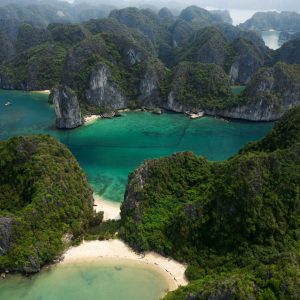
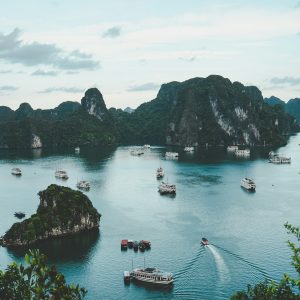
World-famous limestone karsts rising from emerald waters. Cruise, kayak, or even stay overnight on a junk boat, it’s pure magic.
Lantern-lit streets, tailor shops, and riverside cafés. Ancient architecture blends with cozy vibes.
The former imperial capital. Explore the Citadel, royal tombs, and pagodas. History buffs, this is your playground.
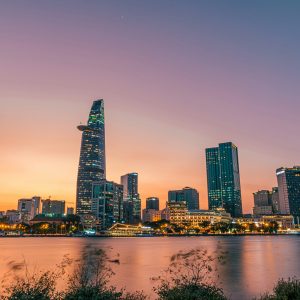
Vietnam’s economic powerhouse. Bustling streets, war history at the Cu Chi Tunnels, French colonial buildings, and nightlife that never quits.
Floating markets, rice paddies, and quiet villages. Take a boat tour to see local life on the water.
Terraced fields, ethnic hill tribes, and trekking opportunities. Sunrise over rice terraces is insta-perfection.

By Air: International airports in Hanoi (Noi Bai), Ho Chi Minh City (Tan Son Nhat), and Da Nang.
By Rail: Vietnam has scenic trains connecting north and south, including the Reunification Express.
By Road: Buses link major cities, and motorbiking is a popular adventure choice.
Cruising Halong Bay at sunrise.
Eating street food in Hanoi or Ho Chi Minh City — pho, banh mi, and spring rolls.
Cycling through Hoi An’s countryside.
Trekking the rice terraces in Sapa and meeting hill tribes.
Experiencing floating markets in Mekong Delta.
Visiting historical sites in Hue and learning about Vietnam’s dynastic past.
North (Hanoi, Halong, Sapa): September–November and March–May.
Central (Hoi An, Hue, Da Nang): February–April.
South (Ho Chi Minh City, Mekong): December–April (dry season).
Avoid heavy rains in the monsoon season, especially from July–September in central Vietnam.
Vietnamese cuisine is fresh, flavorful, and balanced. Street food is legendary:
Pho – iconic noodle soup.
Banh Mi – crunchy baguette sandwiches.
Spring Rolls – fresh or fried.
Egg Coffee – Hanoi’s creamy secret.
Culture is vibrant: Buddhist temples, French colonial architecture, street markets, and traditional music keep history alive. Every festival, from Tet (Vietnamese New Year) to Mid-Autumn Festival, is colorful and lively.
Q: Is Vietnam safe for tourists?
Yes, especially in popular destinations. Keep an eye on belongings in crowded areas, and traffic can be chaotic, especially in cities.
Q: How many days should I spend?
7–10 days for north and central Vietnam. Add more days for a full north-to-south trip.
Q: Can I travel on a budget?
Absolutely. Street food, guesthouses, and public buses make Vietnam very affordable.
Q: What’s the local currency?
Vietnamese Dong (VND). Cash is preferred in local markets, though cards work in cities.
Q: Do I need a visa?
Depends on nationality. Many countries get e-visa or visa exemption for short stays.
Q: Is Vietnam family-friendly?
Yes. Activities range from city tours to countryside treks and river cruises suitable for all ages.