Georgia is where mountains touch the sky, wine flows like water, and history is alive in every street. From the cobblestone lanes of Tbilisi to the alpine villages of Svaneti, Georgia is a country that surprises, charms, and makes you want to pack your bags yesterday.
Whether you’re sipping wine in a centuries-old cellar, hiking through the Caucasus, or exploring ancient monasteries, Georgia blends adventure, culture, and hospitality in a way that sticks with you.
Georgia has a history as rich and layered as its wines. From the ancient kingdoms of Colchis and Iberia to the Byzantine and Russian influences, this region has always been at the crossroads of empires.
Tbilisi, the capital, was founded in the 5th century and has been a melting pot of cultures, religions, and architecture ever since. Monasteries perched on cliffs, cave cities in the mountains, and medieval fortresses in remote valleys all speak of Georgia’s turbulent yet fascinating past.
The country’s famous tradition of wine-making dates back over 8,000 years, making Georgia the cradle of wine, and yes, tasting it here is basically a spiritual experience.

Georgia is compact but diverse:
North: Caucasus Mountains — snow-capped peaks, alpine villages, trekking, and adventure sports.
East: Steppe landscapes and fertile plains — ideal for agriculture and vineyards.
South: Ancient monasteries, lush valleys, and subtropical Black Sea coastlines.
West: Black Sea beaches and subtropical forests.
Weather varies: mountains get snow in winter, coastal regions stay mild, and spring/autumn is perfect for sightseeing.

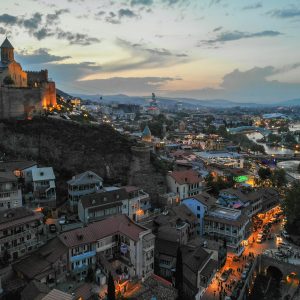
A city of contrasts: Old Town cobblestones, Sulphur baths, eclectic architecture, and rooftop cafés with views of the river. The Narikala Fortress gives panoramic city views, and the cafes are perfect for lingering.
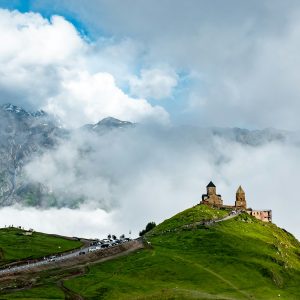
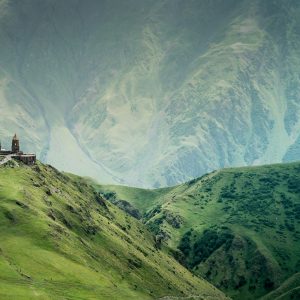
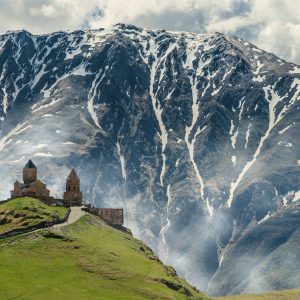
Dramatic mountain landscapes with the iconic Gergeti Trinity Church perched on a hilltop. Trekking here is epic.
Remote alpine region famous for tower houses, traditional villages, and breathtaking mountain scenery. Perfect for adventure seekers.
Georgia’s spiritual heart and a UNESCO World Heritage site. Svetitskhoveli Cathedral and Jvari Monastery showcase ancient Georgian Christianity.
Black Sea coast vibes: beaches, botanical gardens, and nightlife. A modern city with an old charm.
Ancient cave city carved into rock cliffs. History buffs, get ready to explore tunnels, temples, and centuries of Georgian life.

By Air: Tbilisi International Airport (TBS) is the main hub, with connections to Europe, Asia, and the Middle East.
By Road: Land travel from Turkey, Armenia, and Azerbaijan is common.
By Rail: Trains link Tbilisi with neighboring countries, though flights are faster for international visitors.
Wine tasting in Kakheti vineyards, the oldest in the world.
Trekking to Gergeti Trinity Church in Stepantsminda.
Exploring cave cities and medieval towers in Svaneti and Uplistsikhe.
Strolling through Tbilisi Old Town with its architecture and cafés.
Enjoying the beaches and modern vibes in Batumi.
Participating in a Georgian supra, a traditional feast with food, wine, and endless toasts.
Spring (April–June) and Autumn (September–October): Comfortable temperatures, clear skies, and beautiful landscapes.
Winter (December–March): Great for skiing in Gudauri or Bakuriani.
Summer (July–August): Warm, ideal for coastal regions but mountain treks can be busy.
Georgian food is hearty, rich, and utterly delicious:
Khachapuri – cheesy bread heaven.
Khinkali – juicy dumplings you’ll devour without guilt.
Pkhali – vegetable pâtés with walnuts.
Satsivi & Churchkhela – traditional dishes and sweets.
Culture is vibrant: music, dance, and festivals are everywhere. Georgian hospitality is legendary, expect generous meals, stories, and a toast or two of local wine.
Q: Is Georgia safe for tourists?
Yes, very safe. Standard travel precautions apply. Rural mountain roads may need careful driving.
Q: How many days should I spend?
7–10 days to cover Tbilisi, mountains, vineyards, and the Black Sea coast comfortably.
Q: Can I explore easily?
Yes, cities have taxis and public transport. Mountains and villages often require private tours or rental cars.
Q: What’s the currency?
Georgian Lari (GEL). Cards accepted in cities; cash is best in rural areas.
Q: Is Georgia family-friendly?
Absolutely. From cities to mountains and beaches, there’s something for all ages.