Azerbaijan is where East meets West, mountains meet sea, and ancient history meets futuristic skylines. From the flames of the Caspian Sea to the peaks of the Caucasus Mountains, this country is full of contrasts, charm, and surprises. It’s a place where your Instagram feed meets your travel soul and both leave happy.
Whether you’re exploring Baku’s modern skyline, wandering through shepherd villages in the mountains, or chasing mud volcanoes and ancient fortresses, Azerbaijan is small in size but huge in experiences.
Azerbaijan’s story is ancient and layered. From Caucasian Albanian kingdoms to Persian, Ottoman, and Russian influences, the region has been a crossroads of civilizations for centuries.
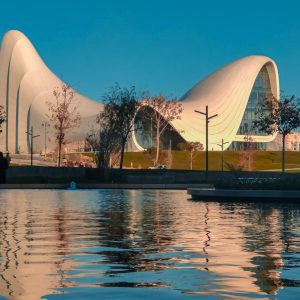
Baku, the capital, rose from a medieval walled city into a modern metropolis fueled by oil wealth. Ancient caravanserais, fire temples, and mausoleums coexist with glass towers and futuristic architecture. Festivals, carpets, and music still echo centuries-old traditions, giving the country a unique mix of old-world charm and modern flair.
Geographically, Azerbaijan is a mosaic of landscapes:
Caspian Coast: Beaches, mud volcanoes, and sea resorts.
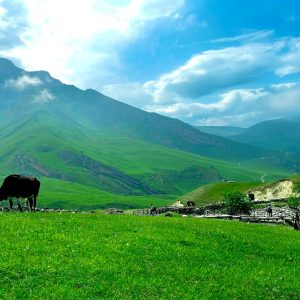
Caucasus Mountains: Snow-capped peaks, alpine villages, and treks.
Central Plains: Fertile farmland and wine-growing regions.
Gobustan: Ancient rock carvings, mud volcanoes, and unique landscapes.
The climate varies: coastal areas are mild, while the mountains get snow in winter. Spring and autumn are ideal for sightseeing.

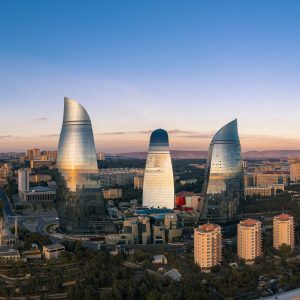
The capital is all about futuristic architecture and history in one city. Stroll along the Baku Boulevard, visit the Flame Towers, and explore Icherisheher (Old City) with its medieval walls and ancient mosques.
Home to ancient petroglyphs and mud volcanoes. A surreal, otherworldly landscape perfect for history buffs and photographers alike.
A picturesque town with Sheki Khan’s Palace, traditional crafts, and mountain views. A perfect stop to feel like you’ve stepped into a fairy tale.
Mountain regions famous for autumn foliage, traditional villages, and scenic trekking.
Unique natural spas, mud treatments, and geological wonders. Azerbaijan literally lets you bathe in mud like royalty.
The country’s second-largest city, with historic mosques, Nizami Mausoleum, and a charming vibe away from the capital’s bustle.

By Air: Heydar Aliyev International Airport (GYD) in Baku connects to Europe, Asia, and the Middle East.
By Road: Land routes from Georgia and Russia are possible, but most international travelers fly in.
By Rail: Trains connect Baku to neighboring countries like Georgia and Russia, though slower than flights.
Watching Flame Towers light up Baku at night.
Exploring Gobustan’s petroglyphs and mud volcanoes.
Wandering through Icherisheher Old City.
Trekking in Caucasus Mountains and visiting mountain villages.
Experiencing Sheki Khan’s Palace with its stained-glass windows.
Relaxing in Naftalan mud baths — spa meets adventure.
Sampling Azerbaijani cuisine: plov (rice), kebabs, dolma, and sweet baklava.
April–June: Spring — mild weather, perfect for sightseeing.
September–October: Autumn — colorful foliage and comfortable temperatures.
Winter (Dec–Feb): Mountain areas for snow activities, but coastal regions are quieter.
Avoid summer in lowlands if you dislike heat — temperatures can get high.
Azerbaijani cuisine is hearty, flavorful, and deeply traditional:
Plov: Saffron rice with meat and vegetables.
Kebabs & Shashlik: Grilled perfection.
Dolma: Stuffed grape leaves.
Baklava & Pakhlava: Sweet treats that melt in your mouth.
Culture is a mix of Turkic, Persian, and Caucasian traditions. Carpets, music, and dances remain strong, while modern architecture shows the country’s progressive ambitions. Festivals like Novruz celebrate spring and renewal across Azerbaijan.
Q: Is Azerbaijan safe for tourists?
Yes, it’s generally very safe. Stick to standard travel precautions.
Q: How many days should I spend?
5–7 days for Baku, Gobustan, and Sheki. Add more for mountain trekking and rural exploration.
Q: Do I need a visa?
Depends on nationality. Many countries can get an e-visa online.
Q: Can I travel around easily?
Yes. Baku has a metro system, taxis, and buses. For mountains and smaller towns, renting a car or joining tours is ideal.
Q: What’s the currency?
Azerbaijani Manat (AZN). Cards accepted in cities; cash preferred in rural areas.
Q: Is Azerbaijan family-friendly?
Absolutely. From beaches to museums, mountains, and mud baths, there’s something for all ages.