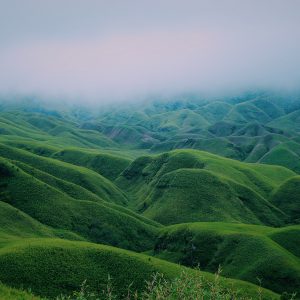
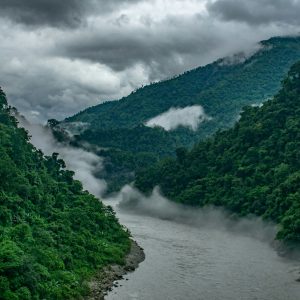
Step into the enchanting world of Northeast India — where every turn reveals a new wonder. Comprising eight beautiful states, this region is a kaleidoscope of lush landscapes, misty mountains, and vibrant cultures. Blessed with pleasant weather, breathtaking biodiversity, and warm, welcoming people, the Northeast is a destination that captures the heart of every traveler.
Whether you’re chasing adventure, serenity, or culture, the region promises unforgettable experiences. Explore ancient monasteries, sacred temples, and colorful tribal festivals that bring its rich heritage to life. Surrender to the thrill of trekking through emerald hills, rafting down roaring rivers, or simply cruising along the mighty Brahmaputra, soaking in panoramic views of untouched wilderness.
For wildlife enthusiasts, the Northeast is a dream come true. Witness the iconic one-horned rhinoceros at Kaziranga National Park, explore the pristine habitats of Manas, Nameri, Orang, and Dibru-Saikhowa in Assam, or venture into Namdapha in Arunachal Pradesh — a haven of rare flora and fauna. Discover the mystic beauty of Balpakram in Meghalaya, the floating paradise of Keibul Lamjao in Manipur, the wild trails of Intanki in Nagaland, and the majestic Khangchendzonga National Park in Sikkim.
From river cruises and wildlife safaris to mountain treks and cultural escapes, Northeast India invites you to explore its untouched charm — where every journey is a story waiting to be told.
The North East has stories older than most textbooks. It was home to ancient tribes and kingdoms, trading routes with Tibet, Burma, and China, and rich indigenous cultures that still thrive today. British colonialists tried mapping it, but the terrain was too wild even for them, which is partly why much of its magic stayed intact.
The region played roles in India’s freedom struggle, resisted invasions, and kept traditions alive despite modern pressures. Festivals, dances, handlooms, and cuisines all tell tales of resilience, identity, and community. Every village here is a chapter, every river a storyline.
Geographically, the North East is a mountain paradise. The Himalayas brush Arunachal, while rolling hills and dense forests cover Mizoram, Nagaland, and Meghalaya. Assam brings fertile plains and the mighty Brahmaputra River, and Sikkim mixes high-altitude lakes with Buddhist monasteries.
Rivers, waterfalls, bamboo forests, tea gardens, and high-altitude deserts coexist here. The weather varies from snow in winter to monsoon-splashed greenery in summer, every trip can feel entirely new depending on the season.
Nestled in the northeastern tip of India, Arunachal Pradesh is a land of majestic mountains, vibrant tribal traditions, and breathtaking natural beauty. Often called the “Land of the Dawn-Lit Mountains,” it offers travelers an enchanting mix of adventure, spirituality, and serenity. From ancient monasteries perched on misty cliffs to untouched valleys teeming with life, every corner of Arunachal tells a story waiting to be discovered.
To help travelers explore its incredible diversity, Arunachal Pradesh Tourism department has identified 12 unique tourist circuits, each with its own charm — from snow-covered passes to tropical forests and vibrant tribal villages.
Tezpur – Bhalukpong – Bomdila – Tawang – A scenic Himalayan trail leading to ancient monasteries and mountain magic.
Itanagar – Ziro – Daporijo – Aalo – Pasighat – A cultural corridor through heritage villages and lush valleys.
Pasighat – Jengging – Yingkiong – Tuting – A wild and thrilling route along the roaring Siang River.
Tinsukia – Tezu – Hayuliang – A serene journey through riverside landscapes and Mishmi tribal culture.
Margherita – Miao – Namdapha – Vijoynagar – The gateway to the Namdapha National Park, a biodiversity hotspot.
Roing – Mayudia – Anini – A paradise of misty hills and pristine mountain views.
Tezpur – Seijosa – Bhalukpong – For wildlife lovers and nature seekers, featuring the Pakke Tiger Reserve.
Ziro – Palin – Nyapin – Sangram – Koloriang – A cultural tapestry of scenic villages and bamboo valleys.
Doimukh – Sagalee – Pake Kessang – Seppa – Experience the charm of rural life and tribal traditions.
Aalo – Mechuka – A breathtaking drive through valleys and mountain ridges to the mystical Mechuka valley.
Daporijo – Taliha – Siyum – Nacho – A journey into the heart of Upper Subansiri’s tribal heritage.
Jairampur – Manmao – Nampong – Pangsau Pass – Travel through the historic Stilwell Road, where history meets adventure.
Arunachal Pradesh isn’t just a destination — it’s an awakening of the senses. From spiritual peace in Tawang to the rhythm of Ziro’s music, from Mechuka’s pristine silence to Pasighat’s flowing rivers — every path here leads to wonder. Come, explore this untouched gem of India, and let its beauty stay with you forever.
Cradled in the lush valley of the mighty Brahmaputra, Assam is a land where nature’s grandeur meets timeless heritage. Known for its rich biodiversity, ancient temples, tea gardens, and vibrant culture, Assam invites travelers to experience India’s wild heart and soulful traditions.
Kaziranga National Park
A UNESCO World Heritage Site, Kaziranga is one of India’s proudest treasures, home to two-thirds of the world’s Great One-Horned Rhinoceros. Spread across the floodplains of the Brahmaputra, the park also shelters tigers, wild elephants, swamp deer, and water buffalo, making it one of the richest wildlife habitats in Asia. Declared a Tiger Reserve in 2006, Kaziranga offers unforgettable jeep safaris and elephant rides through its misty grasslands.
Kamakhya Temple
Perched atop the Nilachal Hill in Guwahati, the Kamakhya Temple is one of India’s most revered Shakti Peethas. Dedicated to the mother goddess Kamakhya, this ancient shrine draws pilgrims and seekers from all over the world. Its architectural splendor and spiritual aura make it a must-visit for those seeking divine connection amid scenic surroundings.
Brahmaputra River
One of Asia’s greatest rivers, the Brahmaputra flows majestically through Assam for nearly 916 kilometers. Its waters sustain life, culture, and travel across the region. Today, the river offers enchanting cruises, from short sunset rides to multi-day luxury voyages, where travelers can witness rural life, wildlife, and golden riverine sunsets like nowhere else.
Sivasagar
Once the glorious capital of the Ahom Kingdom, Sivasagar echoes tales of royal grandeur. The town is dotted with historic monuments, ancient temples such as Shivadol, and the remains of Ahom palaces. Beyond its heritage, Sivasagar is also known for its lush tea gardens and early oil wells — symbols of Assam’s pioneering spirit.
To showcase its rich natural, cultural, and spiritual diversity, Assam Goverments Tourism Department has identified six thematic travel circuits, offering the perfect blend of adventure, wildlife, and heritage experiences:
Guwahati – Kaziranga – Nameri – Dirang – Tawang – Bomdila – Tezpur – Guwahati
A panoramic journey from the plains of Assam to the monasteries of Arunachal, blending wildlife and Himalayan charm.
Guwahati – Cherrapunji – Shillong – Mawlynnong – Guwahati
Discover the best of Assam and Meghalaya — misty waterfalls, living root bridges, and scenic hill drives.
Jorhat – Kaziranga National Park – Majuli – Sivasagar – Jorhat
Explore Assam’s cultural triangle — tea estates, the world’s largest river island, and Ahom heritage sites.
Dibru-Saikhowa National Park – Dehing Patkai – Dibrugarh
For nature lovers and birdwatchers, this circuit offers untouched forests and Assam’s eastern wilderness.
Guwahati – Hajo – Sualkuchi – Borduwa – Sivasagar – Majuli – Jorhat – A soulful trail through Assam’s spiritual and artistic heart — weaving centers, satras, and temples.
Guwahati – Hajo – Sualkuchi – Manas – Dhubri – Guwahati –
An unforgettable blend of faith, culture, and wildlife through riverine plains and tiger reserves.
From the echoing chants at Kamakhya, the thunder of wildlife in Kaziranga, to the tranquil flow of the Brahmaputra, Assam is a journey through India’s living heritage. Whether you seek adventure, spirituality, or serenity — this land by the river welcomes you with open arms and a cup of its finest tea.
Blessed with pristine natural beauty, vibrant traditions, and a proud history, Manipur truly lives up to its title — the Jeweled Land of India. From tranquil lakes and green valleys to lively markets run entirely by women, Manipur offers an experience that is both soulful and unique.
Loktak Lake – Just 48 km from Imphal, Loktak Lake is the largest freshwater lake in Northeast India. Its floating islands, known as phumdis, support local communities who live amidst shimmering waters and lush vegetation. A boat ride here offers mesmerizing views of the floating ecosystem and the famous Keibul Lamjao National Park, the world’s only floating wildlife sanctuary.
Moirang – Located near Loktak Lake, Moirang is a town steeped in history and folklore. It holds a special place in India’s freedom struggle — it was here that the Indian National Army (INA) first unfurled the tricolor on April 14, 1944. The INA Museum showcases letters, photographs, and relics honoring the bravery of Netaji Subhas Chandra Bose and his soldiers.
Khwairamband Bazaar (Ima Market) – This one-of-a-kind market in the heart of Imphal is run entirely by women — over 3,000 Imas (mothers) manage its vibrant stalls. Divided into two sections, one sells vegetables, fruits, and fish, while the other features exquisite handlooms, handicrafts, and household items. It’s a symbol of women’s empowerment and Manipur’s living cultural heritage.
Manipur is part of several exciting travel circuits that connect nature, history, and culture across the Northeast:
Guwahati – Kaziranga – Kohima – Imphal – Moreh – Guwahati
Kolkata – Imphal – Moreh – Kolkata
Each circuit offers a unique blend of adventure, spirituality, and cultural immersion — a true gateway to the heart of the Northeast.
Draped in mist and melody, Meghalaya — literally meaning “the abode of clouds” — is a land of cascading waterfalls, rolling green hills, sacred forests, and living root bridges. Every corner of this enchanting state invites travelers to slow down, breathe in the freshness of nature, and experience a harmony between tradition and wilderness.
Shillong – Fondly called the “Scotland of the East”, Shillong enchants visitors with its pine-covered hills, colonial charm, and soothing climate. Once the capital of undivided Assam, this lively hill station is now Meghalaya’s beating heart — where music, culture, and nature coexist in perfect rhythm. With its serene lakes, cozy cafés, and scenic trails, it’s no wonder Shillong was voted “India’s Favourite Hill Station” in 2016.
Cherrapunji (Sohra) – Known worldwide as one of the wettest places on Earth, Cherrapunji is a land where clouds kiss the mountains and waterfalls plunge from dizzying heights. The region holds records for the highest rainfall and is home to the awe-inspiring living root bridges — a testament to the Khasi people’s harmony with nature.
Mawlynnong – Just 90 km from Shillong lies Mawlynnong, celebrated as “Asia’s Cleanest Village” (awarded by Discover India magazine). Lush greenery, flower-lined pathways, bamboo walkways, and eco-friendly homes make it a living example of sustainable community living.
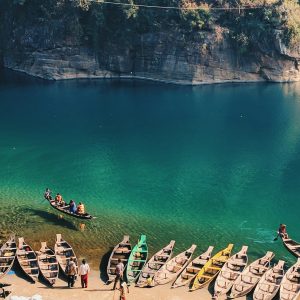
Dawki – A tranquil border town near Bangladesh, Dawki is renowned for the crystal-clear waters of the Umngot River, where boats appear to float in mid-air. The serene setting and scenic suspension bridge make it a must-visit for nature lovers and photographers alike.
Mawphlang Sacred Grove – About 25 km from Shillong, Mawphlang is a sacred forest preserved by traditional Khasi beliefs. This biodiversity-rich grove, with its orchids, moss-covered stones, and ancient trees, offers a magical glimpse into Meghalaya’s spiritual connection with nature.
Meghalaya Tourism offers captivating circuits designed to blend nature, adventure, and culture:
Guwahati – Kaziranga – Shillong – Cherrapunji
Guwahati – Tura – Balpakram – Manas – Guwahati
Each route promises breathtaking landscapes, friendly people, and experiences that linger long after you leave.
Tucked away in the southernmost folds of Northeast India, Mizoram is a serene yet vibrant land where emerald hills stretch endlessly, clouds drift lazily along mountaintops, and warm-hearted communities welcome visitors with grace. Known for its breathtaking landscapes, rich handloom heritage, and peaceful lifestyle, Mizoram offers a travel experience that feels both untouched and deeply soulful.
Aizawl – Perched at an altitude of over 1,100 meters, Aizawl, the capital city, captivates with sweeping views of rolling mountains and a skyline dotted with traditional homes along terraced slopes. Well-connected by air and road, the city beautifully blends tradition with modernity — from bustling local markets and museums to tranquil viewpoints. Aizawl makes a perfect base for exploring the cultural and natural treasures of Mizoram.
Thenzawl – About 43 km from Aizawl lies Thenzawl, a charming village through which the Tropic of Cancer passes. Known as a center for Mizo handlooms, the village produces some of the state’s finest traditional textiles, alive with vibrant patterns and skilled craftsmanship. Surrounded by verdant landscapes and waterfalls, Thenzawl offers both creativity and calm for slow-travel seekers.
Hmuifang – Nestled at 1,619 meters, Hmuifang boasts pristine forests preserved since the era of Mizo chieftainships. Its expansive meadows, scenic woodlands, and cool mountain air make it an ideal escape for nature lovers, campers, and those seeking soulful connection with the outdoors.
Vantawng Falls – Located around 137 km from Aizawl, the spectacular Vantawng Waterfall is the highest in Mizoram and one of the most breathtaking in the Northeast. Tumbling dramatically down forested hillsides, it appears almost magical — a ribbon of white water shimmering against lush green cliffs.
Mizoram Tourism has curated meaningful travel routes that celebrate the region’s landscapes, culture, and traditions:
Kolkata – Aizawl – Thenzawl – Reiek
Kolkata – Aizawl – Champhai/Zokhawthar – Rih Dil
Each circuit offers a harmonious blend of scenic beauty, cultural exploration, and peaceful rural life — making Mizoram a truly memorable destination.
A land of dramatic landscapes, age-old tribal heritage, and warm hospitality, Nagaland offers an unforgettable journey into living culture and breathtaking nature. With its misty mountains, vibrant festivals, and centuries-old traditions, the state seamlessly bridges ancient customs with modern spirit — making it one of Northeast India’s most intriguing destinations.
Khonoma – Just 20 km from Kohima, Khonoma stands as a symbol of courage, resilience, and conservation. Known as the first green village of India, it once resisted British forces during the 19th century and today leads by example in community-led ecological preservation. Terraced fields, lush forests, and its proud heritage make Khonoma a must-visit for cultural and responsible tourism.
Wokha – The homeland of the Lotha tribe, Wokha is framed by sweeping ridges, winding rivers, and stunning vistas. Known for its rich traditions, melodious folk music, and vibrant harvest celebrations, this region invites visitors to experience Nagaland’s cultural warmth while enjoying nature at its finest.
Pfutsero – Located in Phek district, Pfutsero is the highest and coldest inhabited town in Nagaland — where winter temperatures can dip below zero. The town is surrounded by breathtaking landscapes, farming terraces, and tranquil surroundings. From mid-October to April, Pfutsero is especially beautiful during harvest season. A short trip to the historic Khezhakeno Village enriches the experience, as it is believed to be a cradle of Naga ancestry.
Mokokchung – Often known as the cultural heartland of the Ao tribe, Mokokchung is steeped in heritage and tradition. Visitors can explore charming villages such as Longkhum, Mopungchuket, and Ungma, each offering distinct folklore, crafts, and scenic viewpoints. The region beautifully reflects the timeless identity of the Ao community.
Nagaland Tourism promotes immersive circuits offering cultural experiences, scenic exploration, and heritage encounters:
Dimapur – Kohima – Wokha – Zunheboto – Mokokchung
Dimapur – Kohima – Khonoma – Pfutsero
These routes showcase Nagaland’s living traditions, scenic charm, and the warmth of its people — making travel here both inspiring and transformative.
Cradled in the lap of the majestic Himalayas, Sikkim is a land where snow-clad peaks meet emerald valleys, ancient monasteries whisper centuries of wisdom, and pristine nature inspires every traveler. With its diverse landscapes, rich Buddhist heritage, and warm, welcoming people, Sikkim offers a journey that is both deeply peaceful and profoundly memorable.
Gangtok – Perched at 5,500 feet, Gangtok, the capital of Sikkim, combines breathtaking mountain views with a vibrant urban atmosphere. With its stunning skyline overlooking the mighty Khangchendzonga, cozy cafés, handicraft markets, and cultural landmarks, the city serves as an ideal base to explore the region. A blend of modern comforts and Himalayan calm makes Gangtok a favorite among travelers from around the world.
Changu Lake (Tsomgo Lake) – Located about 38 km from Gangtok and situated at a dramatic altitude of 12,400 ft, Tsomgo Lake is a mesmerizing glacial lake surrounded by rugged mountains. Fed by melting snow, the lake changes its hues with the seasons — frozen and magical in winter, and vibrant with blooming alpine flowers in late spring. A visit here feels like stepping into a living postcard.
Rumtek – Just 23 km from Gangtok, Rumtek is a serene retreat known for the majestic Rumtek Monastery, one of the most significant centers of Tibetan Buddhism. Its grand architecture, peaceful surroundings, and spiritual ambiance make it a destination where travellers can pause, reflect, and reconnect.
Aritar – A hidden treasure in East Sikkim, Aritar is known for its deep forests, terraced fields, and tranquil lakes. Stunning views of Khangchendzonga add to the charm, while the historic Aritar Gumpa—one of the oldest monasteries of the Karma Kagyu lineage—offers a glimpse into the state’s spiritual legacy. Perfect for nature enthusiasts and those seeking a serene, off-the-grid escape.
Sikkim Tourism curates a range of theme-based circuits tailored to diverse interests, including:
Pilgrimage Tourism
Heritage and Culture Circuits
Village and Rural Tourism
Buddhist Monastic Trails
High-Altitude Trekking and Adventure Routes
Whether you seek spiritual journeys, cultural immersion, mountain adventure, or the slow beauty of village life — Sikkim offers a route for every traveler’s heart.
Steeped in royal history, ancient temples, lush greenery, and archaeological wonders, Tripura offers a beautiful blend of culture, spirituality, and natural charm. This peaceful state invites travelers to explore its palatial architecture, sacred landscapes, tranquil lakes, and monuments that whisper stories of centuries past — making Tripura a rewarding destination for history lovers and culture seekers.
Ujjayanta Palace – Standing gracefully in the heart of Agartala, the grand Ujjayanta Palace reflects the regal legacy of Tripura’s former rulers. Built between 1899 and 1901 by Maharaja Radha Kishore Manikya, the palace sits alongside a serene lake and Mughal-style gardens. Today, it serves as a state museum showcasing the cultures, art, and traditions of Tripura’s many indigenous communities. The palace’s name was bestowed by Nobel Laureate Rabindranath Tagore, adding to its literary and historical significance.
Tripura Sundari Temple (Matabari) – One of the 51 sacred Shaktipeeths, the revered Tripura Sundari Temple is a major pilgrimage site dedicated to Goddess Sati. According to mythology, the right foot of the goddess fell here — making Matabari a deeply spiritual and revered spot. Devotees and travelers alike visit not only for prayer, but for the rich cultural heritage and devotional atmosphere surrounding the temple.
Rudrasagar Lake & Neermahal – About 55 km from Agartala lies the scenic Rudrasagar Lake, known for its migratory birds and tranquil waters. At its center stands the magnificent Neermahal, a stunning water palace blending Hindu and Mughal architecture. Often called the “Lake Palace of the East,” it served as a summer retreat for Tripura’s royalty and continues to enchant visitors with its serene surroundings and royal charm.
Unakoti – Located around 178 km from Agartala, Unakoti is a mesmerizing archaeological site famed for its ancient rock carvings and stone sculptures dating back to at least the 7th–9th century. The site takes its name from the legend of “one less than a crore” divine figures said to have turned to stone. Nestled in a lush forest setting with natural springs and cascading water, Unakoti is a treasure trove for mythology enthusiasts, explorers, and lovers of ancient art.
Tripura Tourism promotes theme-based travel experiences suitable for both short visits and immersive journeys, including:
Religious Tourism
Ecotourism
Archaeological & Heritage Tourism
Water Tourism
Each circuit reveals a different chapter of Tripura — from sacred shrines and ancient ruins to pristine lakes and natural havens.
Blessed with dramatic landscapes, ancient monasteries, crystal-clear rivers, and vibrant tribal heritage, Arunachal Pradesh embodies the untouched beauty of India’s northeastern frontier. Meaning “Land of the Rising Sun,” this Himalayan state offers a captivating blend of spirituality, wilderness, culture, and adventure — making it one of the most spectacular destinations for explorers seeking authenticity and awe.
Tawang – Situated at an elevation of over 3,048 meters, Tawang is one of Arunachal’s most iconic destinations. Its crowning jewel, the magnificent Tawang Monastery, stands as the second-largest monastery in Asia, radiating centuries of Buddhist legacy and spiritual serenity. Surrounded by snow-capped peaks and deep valleys, travelers can also explore Sela Pass, PTSO Lake, Jang Waterfalls, and charming villages that preserve Tibetan cultural roots.
Ziro – Nestled in the Lower Subansiri district, Ziro is a serene valley surrounded by pine-clad hills and emerald rice fields. Home to the indigenous Apatani tribe, the town is celebrated for its sustainable farming traditions, unique culture, and warm community life. Ziro also hosts the world-famous Ziro Music Festival—a fusion of nature, indie music, and outdoor adventure—and is recognized on India’s UNESCO Tentative World Heritage list.
Mechuka (Menchukha) – A picturesque valley surrounded by alpine forests and snowy peaks, Mechuka feels almost otherworldly. Situated at 1,829 meters in West Siang district, it is blessed with serene landscapes, old monasteries, and the enchanting Yargyapchu River winding through it. This hidden gem is perfect for those seeking lesser-explored trails, solitude, and raw Himalayan beauty.
Pasighat – Known as the oldest town of Arunachal Pradesh, established in 1911, Pasighat sits at the gateway where the river Siang (Brahmaputra) descends from the mountains to the plains. The region offers thrilling river adventures, scenic viewpoints, and deep cultural significance — making it an ideal stop for both history enthusiasts and nature lovers.
Arunachal Pradesh Tourism has curated 12 diverse tourism circuits, each offering unique topography, tribes, culture, and landscapes:
Tezpur – Bhalukpong – Bomdila – Tawang
Itanagar – Ziro – Daporijo – Aalo – Pasighat
Pasighat – Jengging – Yingkiong – Tuting
Tinsukia – Tezu – Hayuliang
Margherita – Miao – Namdhapha – Vijoynagar
Roing – Mayudia – Anini
Tezpur – Seijosa – Bhalukpong
Ziro – Palin – Nyapin – Sangram – Koloriang
Doimukh – Sagalee – Pake Kessang – Seppa
Aalo – Mechuka
Daporijo – Taliha – Siyum – Nacho
Jairampur – Manmao – Nampong – Pangsau Pass
Each route invites travelers to experience a different shade of Arunachal — whether it’s spirituality and snow peaks, wildlife and rainforest, tribal heritage, river valleys, or thrilling frontier adventures.
Q: Is North East India safe for tourists?
Yes. Tourist areas are monitored, locals are friendly, and it’s perfect for solo travelers.
Q: How many days should I plan?
At least 10–12 days to cover Assam, Meghalaya, and Sikkim. Add more if you want to include Arunachal Pradesh, Nagaland, and Mizoram.
Q: Do I need permits for Arunachal or Nagaland?
Yes. Arunachal Pradesh and Nagaland require an Inner Line Permit (ILP), which can be obtained online or on arrival.
Q: What about accommodation?
Options range from homestays and guesthouses to luxury hill resorts. Most tourist hubs have good facilities.
Q: Can vegetarians survive here?
Absolutely. Momos, thukpa, and rice-based meals are widely available, though non-veg is very popular.
Q: How’s connectivity?
Mobile and internet work well in cities, but remote villages and high-altitude valleys can be offline.
Source of Information : North Eastern Council, Government of India