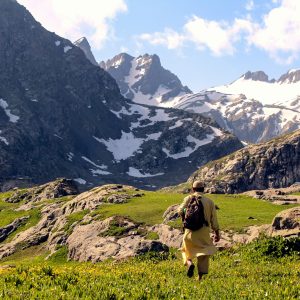
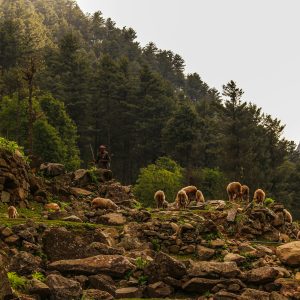
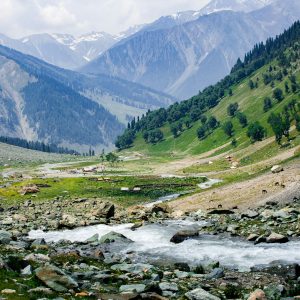
If paradise had a pin location, it would drop right on Jammu & Kashmir. Snow-capped peaks, glassy lakes, saffron fields, and a kind of beauty that humbles even the most overused Instagram filters, this is India’s crown for a reason. Here, every corner looks like a painting, and every cup of kahwa tastes like calm.
Jammu & Kashmir’s story is layered like its mountains royal dynasties, Mughal gardens, wars, and poetry. Ancient temples and Buddhist monasteries whisper tales from over a thousand years ago, while Mughal emperors, utterly smitten by the valley, built gardens like Shalimar Bagh and Nishat Bagh that still bloom with timeless grace.
In the 19th century, the Dogra rulers shaped modern Jammu & Kashmir, and since independence, the region has stood at the heart of India’s identity, as much for its resilience as for its unmatched beauty. Today, despite its complex past, Kashmir remains a living postcard of peace, hospitality, and hope.

Geographically, J&K is where the Himalayas flex their full power. The region is divided into three distinct zones:
Jammu – the city of temples, warm plains, and pilgrims heading to Vaishno Devi.
Kashmir Valley – the jewel in the crown, with its meadows, lakes, and apple orchards.
Ladakh (now a separate UT) – barren yet beautiful high-altitude desert, perfect for adventure junkies.
From snow to sunshine, glaciers to gardens, this place fits every season, mood, and travel bucket list.

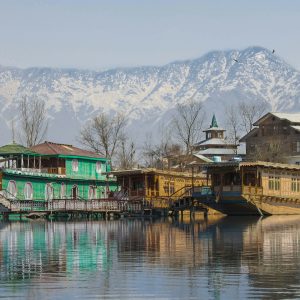
The summer capital, known for its Dal Lake, houseboats, and Shikara rides that feel like floating dreams. Visit Mughal Gardens, explore Old Srinagar, and sip hot kahwa by the water.
If heaven had a ski resort, this would be it. Known for the Gulmarg Gondola one of the world’s highest cable cars it’s a year-round beauty. Snow in winter, flowers in summer, views forever.
A scenic valley that looks straight out of a movie (because it is a lot of Bollywood was filmed here). Perfect for river rafting, picnics, and mountain treks.
“The Meadow of Gold,” and it lives up to its name. Snow-capped peaks, glacier treks, and that fresh mountain air you wish you could bottle up and take home.
The gateway to the state and home to the sacred Vaishno Devi Temple. The city is also rich in Dogra art, temples, and authentic North Indian food that hits all the right spots.
Named after the Bollywood film Betaab, this lush valley near Pahalgam is all pine forests, green meadows, and Instagram-worthy views.
By Air: Flights connect Srinagar Airport and Jammu Airport to major Indian cities like Delhi, Mumbai, and Chandigarh.
By Rail: The Jammu Tawi Railway Station is the nearest major hub. From there, cabs and buses connect to Srinagar and other destinations.
By Road: Well-connected highways make for scenic road trips from Delhi, Punjab, and Himachal. The Banihal Tunnel keeps Srinagar accessible even in winters.
Stay in a houseboat on Dal Lake, it’s like a floating fairytale.
Take a Shikara ride at sunset.
Ride the Gulmarg Gondola and touch actual clouds.
Try Kashmiri wazwan, a royal feast you’ll still dream about weeks later.
Visit Tulip Garden in spring, it’s Europe-level pretty, minus the jet lag.
Go on a pony ride in Sonmarg or Pahalgam.
Walk through snowfall in Gulmarg (bonus points if you build a snowman).
Summer (March–June): For sightseeing, flowers, and shikara rides.
Autumn (September–November): For golden chinar leaves and perfect weather.
Winter (December–February): For snow, skiing, and cozy fireplace stays.
Every season feels like a new chapter, you can visit twice and still have two completely different trips.
If peace had a flavor, it would taste like Kashmiri kahwa, green tea with saffron, almonds, and a pinch of heaven.
Don’t miss Rogan Josh, Gushtaba, Modur Pulao, and the traditional Wazwan feast. Vegetarians? Try Dum Aloo and Nadru Yakhni, trust us, even the locals swear by them.
Q: Is Jammu & Kashmir safe for tourists?
Yes. Tourist zones like Srinagar, Gulmarg, Pahalgam, and Jammu are safe and heavily monitored for security. Locals are warm and welcoming.
Q: How many days are enough for a trip?
A 6–8 day trip is perfect to cover Srinagar, Pahalgam, and Gulmarg comfortably.
Q: Can I see snow in Kashmir?
Yes! December to February is peak snow season, especially in Gulmarg.
Q: Are permits required for visiting certain areas?
For some remote zones near borders, yes, but most tourist spots don’t need any. Your travel operator usually arranges the paperwork.
Q: What should I pack?
Warm clothes, comfortable shoes, and sunscreen (yes, even in snow).
Q: Is vegetarian food available?
Absolutely. Most restaurants serve both vegetarian and non-vegetarian Kashmiri dishes.
Q: What about connectivity?
Wi-Fi can be patchy in hill areas, so download your playlists and maps beforehand, consider it part of the detox.