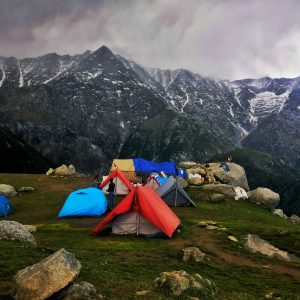
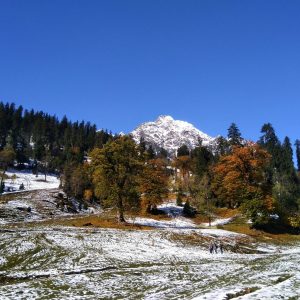
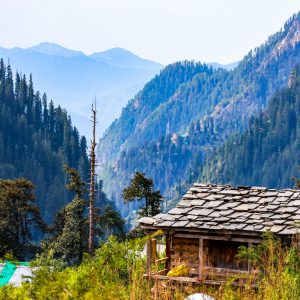
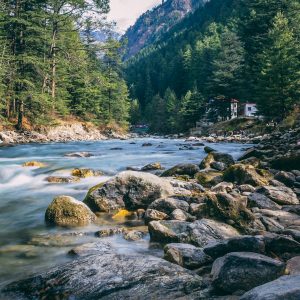
If India had a balcony with the best view, it would be Himachal Pradesh. Perched in the lap of the Himalayas, this state is where snow-capped peaks play hide-and-seek with clouds, rivers rush like they’re late for a meeting, and pine forests whisper stories to anyone patient enough to listen. Himachal isn’t just a destination, it’s therapy.
Himachal is a state where geography shows off. You’ve got the Shivaliks in the south, the Dhauladhar ranges around Dharamshala, and the mighty Greater Himalayas guarding the north. The valleys- Kullu, Kangra, Spiti, Lahaul, each with a personality of its own. The glaciers, rivers like Beas and Sutlej, apple orchards, and alpine meadows, and you start to see why Himachal feels like Mother Nature’s playground.
Himachal’s story is as layered as its mountain ranges. Ancient tribes like the Kinnars and Dagis lived here long before kingdoms took shape. Later, the region saw rule under Mauryas, Guptas, and Rajputs before the British arrived. The British, smitten with its cool climate, turned Shimla into their “summer capital.” Even today, colonial bungalows, churches, and schools dot Himachal’s hill stations.
And here’s a fun nugget: Himachal is also known as Dev Bhoomi, the Land of Gods because it houses countless temples and shrines. No wonder spirituality seems to seep out of every mountain here.
The people of Himachal are as warm as the sweaters they knit. Villages celebrate age-old festivals with music, dance, and fairs that could outshine city carnivals. From Kullu Dussehra to Minjar Mela, traditions here are alive and kicking.
Languages? Hindi and Pahari dialects rule, but smiles work universally. And if you’ve ever had hot siddu with ghee in a wooden Himachali kitchen, you’ll know hospitality here comes straight from the heart.
By Air: Airports at Shimla, Kullu (Bhuntar), and Dharamshala connect you, though flights can be weather-dependent.
By Rail: Kalka–Shimla toy train (a UNESCO World Heritage) is more like a fairytale ride. Other trains connect major towns nearby.
By Road: The best way to explore. Himachal is road-trip heaven, with winding highways and bus networks that reach even remote valleys.
The Himalayas – snow peaks, valleys, and trekking trails that feel otherworldly.
Adventure Sports – paragliding in Bir Billing, rafting in Kullu, skiing in Solang.
Spiritual Retreats – Dharamshala’s monasteries, Manikaran’s hot springs, ancient temples.
Apple Orchards – Himachal’s apples are basically celebrity-level famous.
Hill Cafes – Where Maggi and mountain views taste better than five-star meals.
Shimla
The “Queen of Hills,” Shimla is a mix of colonial charm and lively bazaars. The Ridge, Mall Road, Christ Church, and Jakhoo Temple top the list.
Manali
Perfect for honeymooners, backpackers, and everyone in between. Rohtang Pass and Solang Valley add adventure, while Old Manali is café culture heaven.
Dharamshala & McLeod Ganj
Home of the Dalai Lama and Tibetan culture. Monasteries, momos, and mountains, what else do you need?
Kullu Valley
Known for festivals, rafting, and scenic villages. It’s Himachal’s cultural soul.
Spiti Valley
For the adventurous. High-altitude desert landscapes, monasteries like Key and Tabo, and starry skies that humble you.
Dalhousie
Colonial-era charm mixed with pine forests. Khajjiar nearby is called “Mini Switzerland.”
Chamba
Less touristy, rich in history and temples. A peaceful alternative to the busier hill towns.
Siddu – Steamed wheat bread stuffed with fillings.
Dham – A festive meal served on leaf plates, cooked by traditional chefs.
Thukpa & Momos – Tibetan influence done right.
Chha Gosht – Lamb curry with yogurt and spices.
Maggi with chai – Because Himachal makes it taste better, no arguments.
Q: What’s the best time to visit Himachal?
A: March to June for pleasant summers, October to February for snow lovers. July–September sees heavy rains and occasional landslides, so travel with caution.
Q: Is Himachal good for beginners in trekking?
A: Yes. Treks like Triund (near McLeod Ganj) or Prashar Lake are beginner-friendly. More seasoned trekkers head to Hampta Pass, Pin Parvati, or Chandratal.
Q: Are there offbeat destinations in Himachal?
A: Tons. Tirthan Valley, Kalga & Pulga in Parvati Valley, Jibhi, Kinnaur, and Shoja are perfect for skipping the crowds.
Q: How safe is Himachal for solo travelers?
A: Very safe, even for women. Just follow usual precautions, especially when trekking or traveling at night.
Q: Do I need permits to visit certain areas?
A: Yes, for places near the China border (like Spiti or Kinnaur), Indian tourists need inner-line permits. Foreigners need permits for Spiti Valley.
Q: What should I pack for Himachal?
A: Layers. Weather changes fast. Carry warm clothes, trekking shoes, sunscreen, and medicines. And don’t forget a power bank, electricity can be patchy in remote areas.
Q: Is Himachal only about mountains and treks?
A: Not at all. Himachal is also about monasteries, handicrafts, village stays, food trails, and fairs. It’s as much cultural as it is natural.
Q: Can I drive myself around Himachal?
A: Yes, but be ready for narrow, winding mountain roads. If you’re not confident, hire a local driver, they know the terrain like the back of their hand.